
Cash goes out on Monday and comes back as a bag of receipts
The float, not the budget, is where production accounting actually breaks. Here is why it happens on every job, and what changes when the receipt is photographed at the counter instead of reconstructed at wrap.
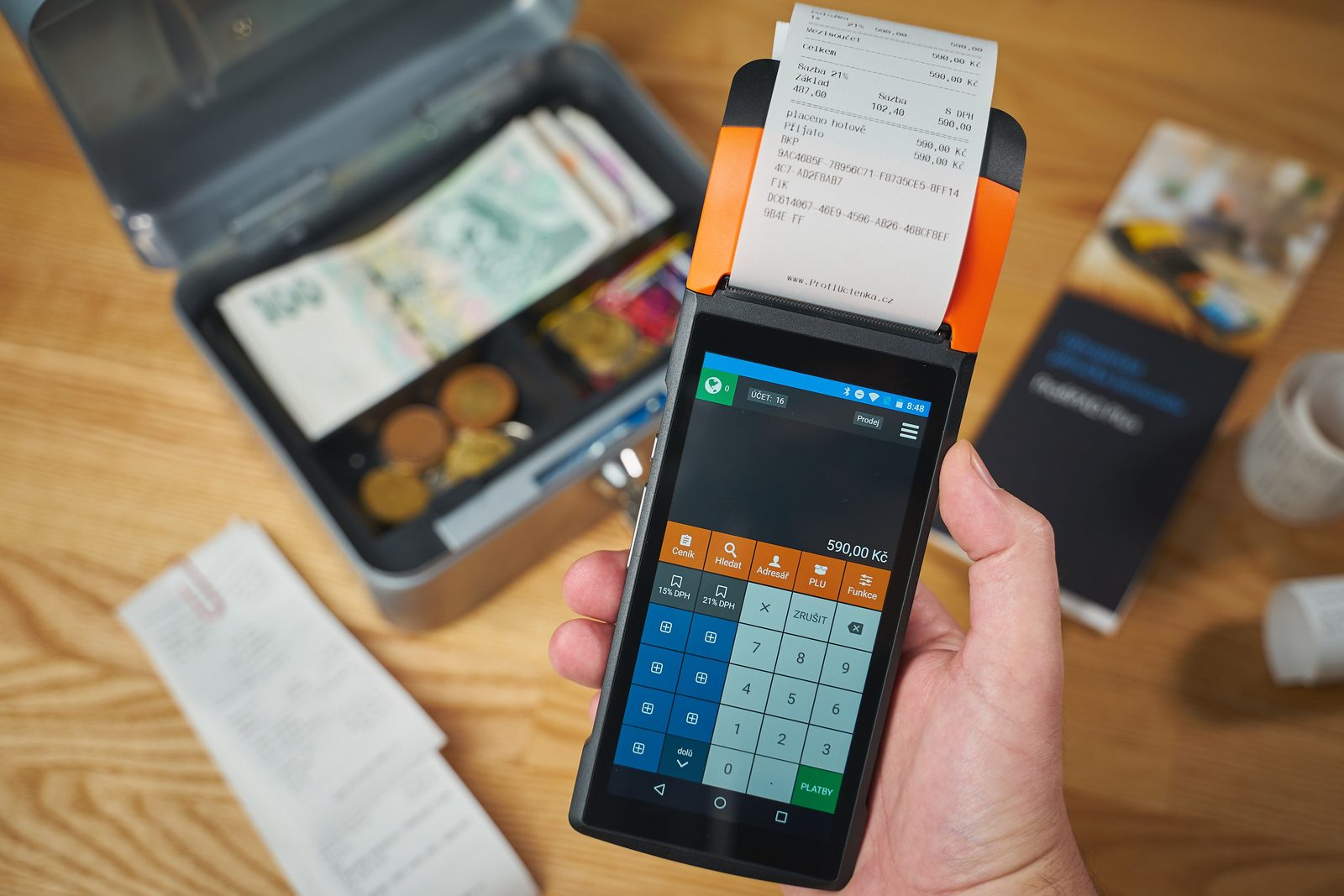
Ask a line producer what worries them about a foreign shoot and they will not say the budget. The budget is a spreadsheet, and spreadsheets hold still. They will say petty cash — the money that leaves the office in an envelope on Monday and exists, for the rest of the week, only in other people's pockets and memories.
This is the part of production accounting that no software was built for, because it does not look like accounting while it is happening. It looks like a driver buying ice. A gaffer replacing a cable at a hardware store outside Fortuna. A coordinator paying a location owner in cash because that is how the location owner works. None of it is irregular. All of it is real spending against a real budget line, and almost none of it is recorded at the moment it occurs.
The float is not the budget
A budget is a plan. A float is an obligation. When you hand someone $600 in local currency, that money has left your account and entered a state where it is neither spent nor available — it is out. It belongs to a named person until they account for it. That is a different kind of fact from a line item, and treating it like one is the original error.
Most productions track floats the way they track everything else: a column in a sheet, updated when someone remembers. So the question "how much cash is out right now, and with whom?" has no answer on a screen. It has an answer in the coordinator's head, and only while she is awake.
What actually happens on Friday
By the end of the week the record has to be built backwards. Someone sits down with a pile of thermal paper, most of it faded, some of it for things nobody remembers approving, and reconstructs a week of decisions from artefacts. Amounts get rounded. A receipt for two things gets coded to one budget line. Anything genuinely lost becomes an argument, and the argument is always with a crew member who is tired and who is, usually, telling the truth.
This is not a discipline problem. It is a capture problem. The information existed perfectly at one moment — standing at the counter, holding the receipt, knowing exactly what it was for — and every hour after that moment it degrades. Reconstruction is what you do when you failed to capture.
Capture where it happens, not where it is convenient
The fix is unglamorous: the receipt gets photographed at the counter, coded there, and attached to the float before the crew member gets back in the van. The person spending the money is the only one who knows what it was for, and they know it for about ninety seconds.
That imposes real constraints on how the tool has to work. It has to run on a phone, one-handed, in the sun. It cannot require an account, because the person holding the cash is often a local freelancer who will never be your customer and should not have to become one to buy ice. And it has to work with no signal at all — the shop in the mountains has no bars, and a queue that syncs later is the difference between a record and a story.
There is a subtlety in the offline case that is easy to get wrong. A queued expense has to count against the remaining balance immediately, before it syncs. If it does not, the figure on the screen is optimistic, and an optimistic balance is worse than no balance — it tells someone they have money they have already spent.
Two currencies, one truth
On any production outside your home country you have two numbers for everything. What was spent, in the currency it was spent in. What gets reported, usually in dollars. Most offices keep these in separate places and reconcile at the end, which means the client's number and the accountant's number are produced by two different processes and have to be argued into agreement.
They should never have been separate. The exchange rate that matters is the one that applied on the day of the spend, not the one on the day of the report, and if that is recorded when the expense is recorded then both numbers fall out of the same fact. The reconciliation stops being work.
Approval is a lifecycle, not a checkbox
The last thing worth saying is about deletion. A spender should not be able to delete an expense — they should be able to ask to delete one, with a reason, and the amount should stay counted until the office decides. It sounds bureaucratic. It is the opposite: it means nobody has to police anything, because nothing disappears quietly. The office reviews, approves, returns with a note, and settles. Every state is visible to the person it concerns, in their own language, without them ever learning the word the office uses for them.
Get that right and the bag of receipts stops existing. Not because anyone became more disciplined, but because the record was written at the counter, in the moment when it was still true.